

Building a Cost-Effective Mobility Equipment Fleet: A Procurement Framework
Smart procurement managers build balanced fleets of transfer chairs, toilet lift chairs, and electric transfer chairs. Learn the framework for right-sizing your mobility equipment inventory.
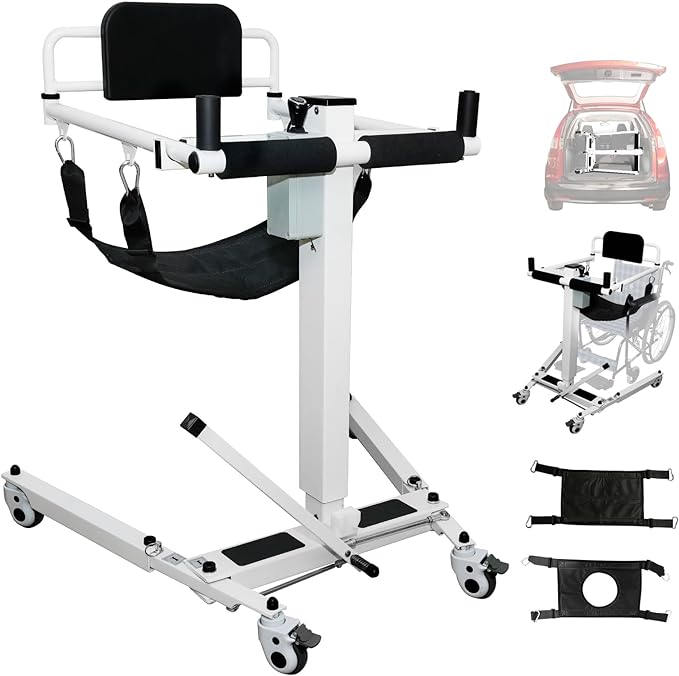
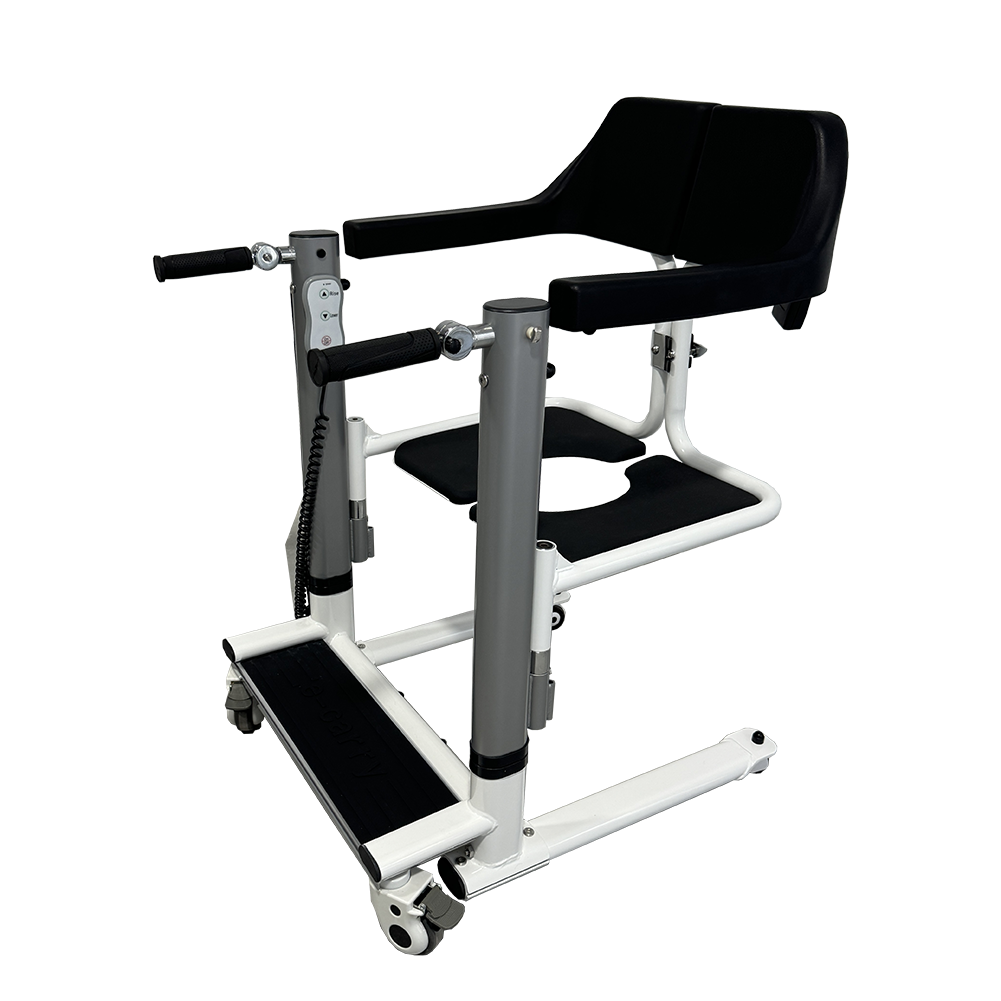
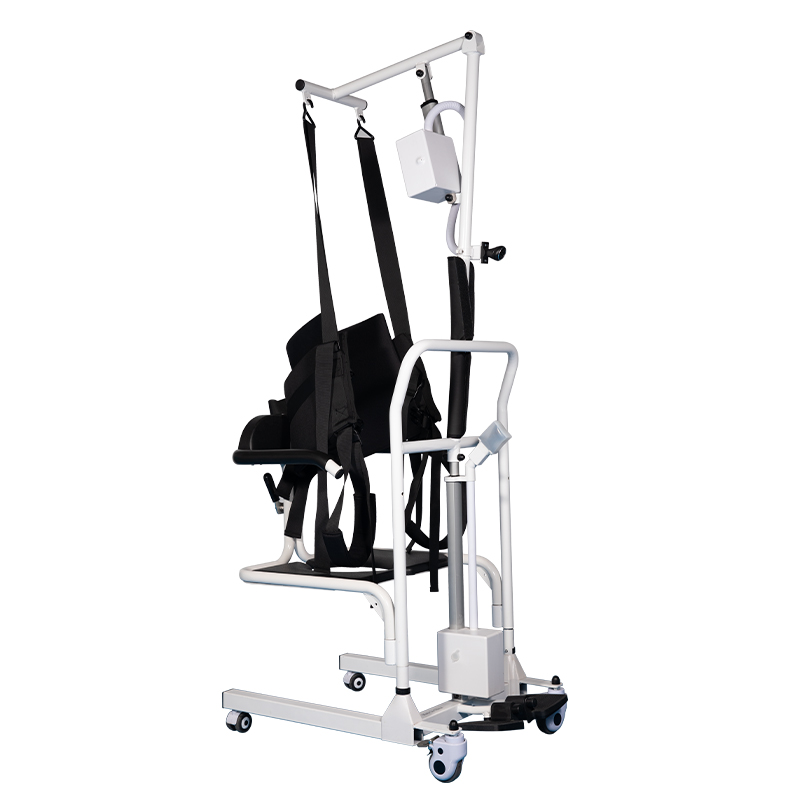
Many healthcare facilities over-purchase mobility equipment. They buy too many transfer chair units of one type and not enough of another. Or they invest heavily in electric transfer chair models when manual patient transfer chair units would suffice. Building a cost-effective mobility equipment fleet requires matching product types to actual usage patterns. At Xiang Fa Li Technology, we manufacture the full spectrum of mobility equipment: transfer chair, toilet lift chair, patient transfer chair, and electric transfer chair. We help procurement managers right-size their fleets.
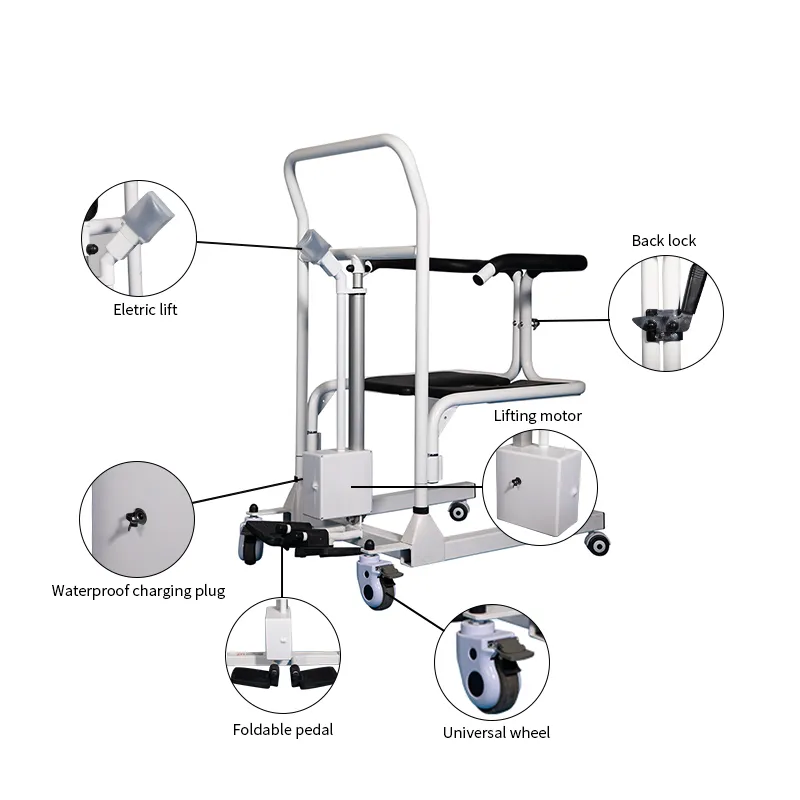
Start by mapping your patient transfer volume. Count how many transfers occur per day in each area of your facility. For areas with fewer than 10 transfers daily, a manual transfer chair or patient transfer chair is usually sufficient. These mobility equipment types have no batteries to manage and lower upfront costs. For areas with 10 to 30 daily transfers, consider a mix. Use manual transfer chair units for most patients but keep one electric transfer chair for bariatric or very weak patients. For areas with more than 30 daily transfers, an electric transfer chair fleet may be justified by caregiver fatigue reduction. The same logic applies to toilet lift chair deployment. Low-use bathrooms can use hydraulic toilet lift chair models. High-use bathrooms benefit from electric versions.
Next, analyze your patient population characteristics. What is the average patient weight? What is the typical mobility level? A facility serving mostly ambulatory elderly patients may need primarily standard transfer chair units with occasional toilet lift chair support. A bariatric center needs heavy-duty transfer chair and patient transfer chair models with reinforced frames. A rehabilitation hospital working with stroke patients may benefit from electric transfer chair units that assist with standing transfers. A long-term care facility with many bedbound residents might prioritize toilet lift chair and electric transfer chair units for the few transfers that do occur. Match your mobility equipment mix to your patient reality.
Consider staff factors as well. Facilities with younger, physically fit staff can rely more on manual transfer chair and patient transfer chair units. Facilities with older staff or high rates of back injuries should invest in electric transfer chair and electric toilet lift chair models. The cost of an electric transfer chair is often lower than the cost of one worker compensation claim. For facilities with high staff turnover, simpler mobility equipment like manual transfer chair and patient transfer chair units may be better because they require less training.
Xiang Fa Li offers a fleet optimization service for procurement managers. We analyze your patient census, staff profile, and facility layout. We then recommend specific numbers of transfer chair, toilet lift chair, patient transfer chair, and electric transfer chair units for each ward. We also provide a replacement schedule so you never have too many old mobility equipment units at once.
Request our mobility equipment fleet calculator today. It helps you determine the optimal mix of transfer chair, toilet lift chair, patient transfer chair, and electric transfer chair units for your budget and patient volume. Contact Xiang Fa Li to schedule a fleet consultation. We will help you build a mobility equipment fleet that balances cost, safety, and staff well-being.
