

Battery Life and Charging Best Practices for Electric Transfer Chair Fleets
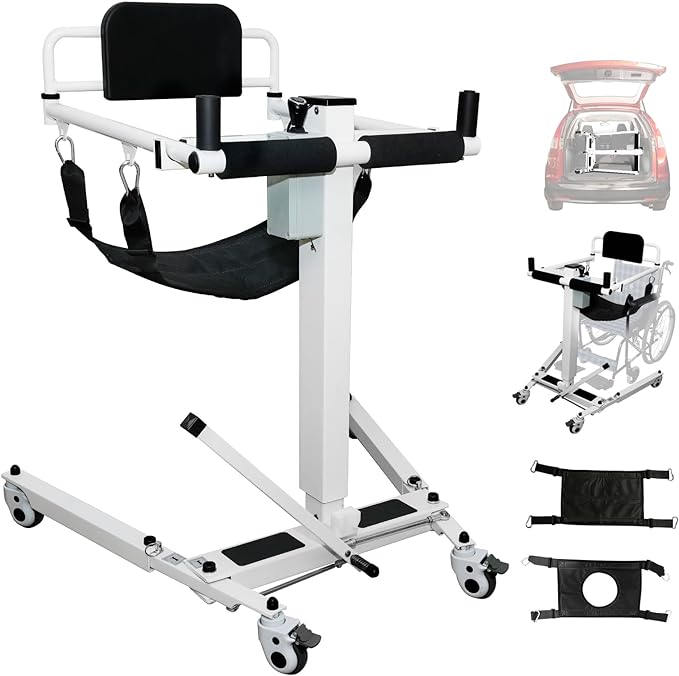
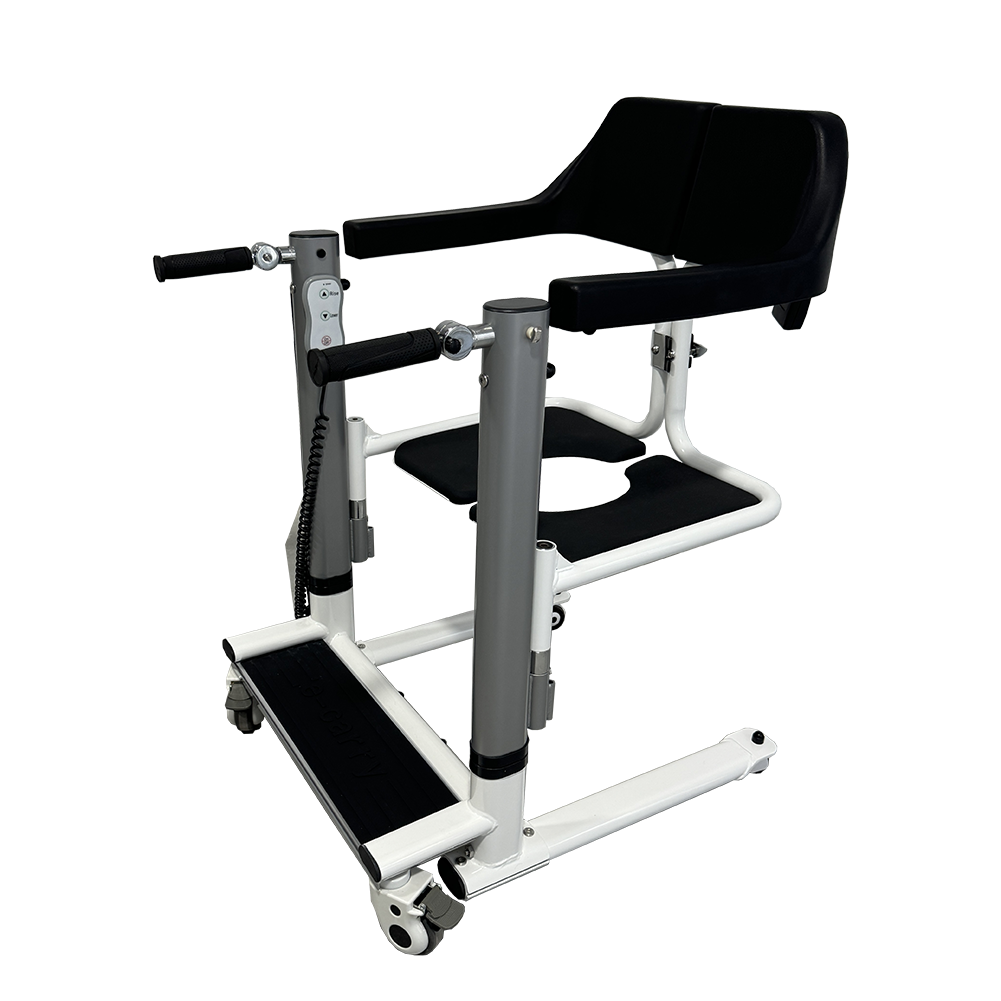
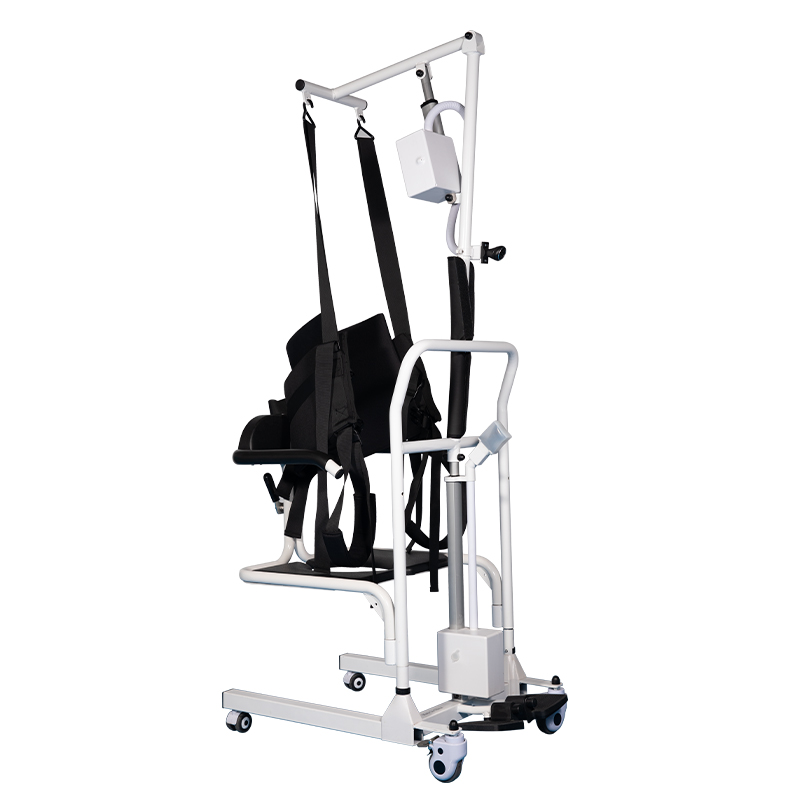
An electric transfer chair offers tremendous benefits for caregiver safety and patient comfort. But those benefits depend entirely on reliable battery performance. A electric transfer chair with a dead battery is just a heavy manual chair. At Xiang Fa Li Technology, we manufacture a full line of mobility equipment, including the electric transfer chair, transfer chair, patient transfer chair, and toilet lift chair. We help procurement managers implement battery management systems that keep their electric transfer chair fleet running at full capacity.
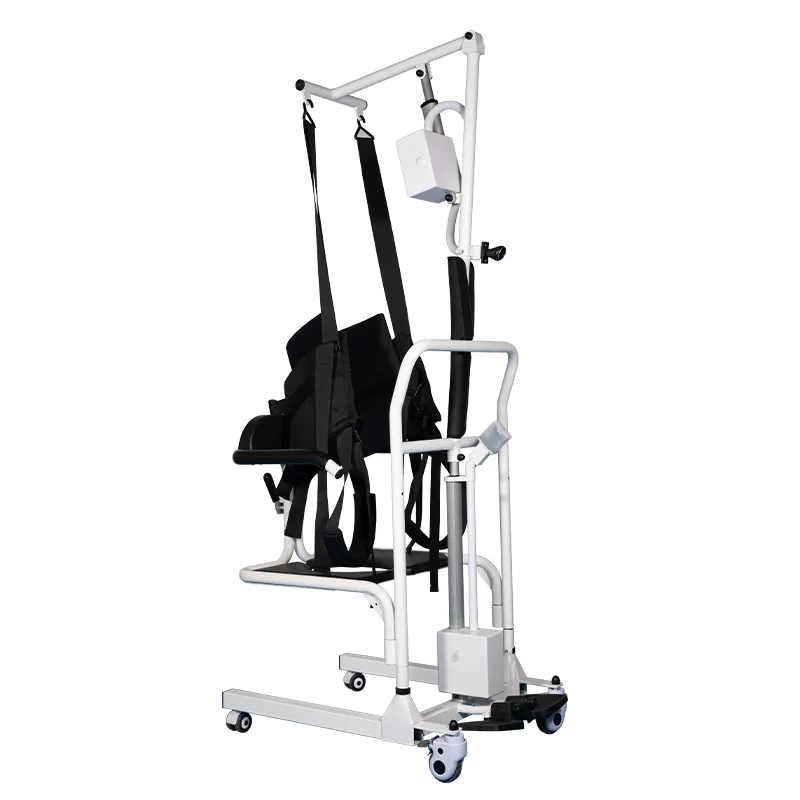
The typical electric transfer chair uses a sealed lead-acid or lithium-ion battery. Battery life depends on three factors: usage frequency, charging habits, and storage conditions. A heavily used electric transfer chair in a busy nursing home may need battery replacement every 12 to 18 months. A lightly used electric transfer chair might go two years or more. The same battery considerations apply to electric toilet lift chair models. For manual transfer chair and patient transfer chair units, batteries are not a concern. This is why many facilities maintain a mixed mobility equipment fleet, reserving electric transfer chair units for high-need areas while using manual transfer chair and patient transfer chair elsewhere.
Charging habits significantly impact electric transfer chair battery lifespan. The most common mistake is leaving the electric transfer chair on the charger continuously. This overcharges the battery and shortens its life. The best practice is to charge the electric transfer chair when the battery drops to 30 to 40 percent remaining. Remove it from the charger once full. For facilities with multiple electric transfer chair units, we recommend a rotating charging schedule. Label each electric transfer chair with a charging log. Assign staff to check battery levels at shift changes. The same protocol works for electric toilet lift chair units. Manual transfer chair and patient transfer chair units need no charging, which is why they remain essential backup mobility equipment.
Storage temperature also affects electric transfer chair batteries. Extreme heat accelerates chemical degradation. Extreme cold reduces immediate performance. Store your electric transfer chair fleet in climate-controlled areas between 15 and 25 degrees Celsius. Do not leave electric transfer chair units in hot vehicles or unheated storage sheds. The same applies to spare batteries for your electric transfer chair and electric toilet lift chair. For transfer chair and patient transfer chair units, temperature is less critical, but extreme conditions can still affect wheel rubber and upholstery over time.
Xiang Fa Li offers a battery management kit for electric transfer chair fleets. It includes a smart charger that prevents overcharging, spare batteries with a rotation cart, and wall-mounted charging stations with individual timers. We also provide training materials for staff on proper electric transfer chair battery care. For facilities that prefer to avoid battery management entirely, we recommend our manual transfer chair and patient transfer chair as primary mobility equipment, with electric transfer chair units reserved for specific high-need patients.
For procurement managers planning an electric transfer chair purchase, we provide a battery life calculator. Enter your expected daily lifts, shift schedule, and storage conditions. The calculator estimates battery replacement frequency and annual battery costs. Compare this against manual transfer chair and patient transfer chair options. Also consider electric toilet lift chair needs. Contact Xiang Fa Li for the calculator and for bulk pricing on electric transfer chair, transfer chair, patient transfer chair, and toilet lift chair units. Let us help you design the optimal mobility equipment mix for your facility.
